

 See My Latest Article on HelloNation
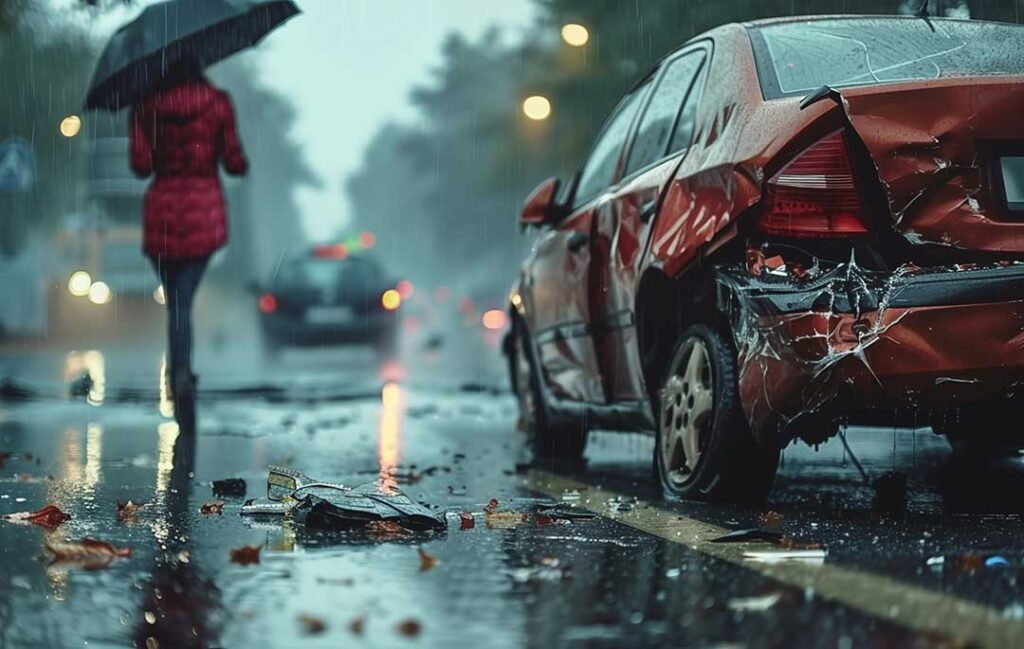
Why Does Evidence Matter After an Accident?
Evidence serves as the foundation for understanding how an accident unfolded. In Ann Arbor, evidence shapes the clarity of any discussion—whether with insurers, medical providers, or in legal settings. Accurate, timely evidence can make a significant difference in establishing the facts and protecting your interests.
What Should You Do Immediately After an Accident?
Begin by ensuring safety, then focus on documentation. If anyone needs urgent medical attention, call 911 before anything else. For non-life-threatening situations, move to a safe location and turn on your hazard lights if driving conditions allow.
Once everyone is safe, collect as much information as possible:
- Take photos showing the entire scene from multiple angles. Include vehicles, street conditions, signage, weather, and nearby landmarks.
- Photograph any visible injuries right away, even if they seem minor.
- Write down details you remember while they're fresh—what happened just before, during, and after the accident.
- Avoid altering the scene unless safety absolutely requires it.
Which Evidence Is Most Helpful in Ann Arbor Incidents?
Details specific to the accident scene and local environment matter most. Proven methods for Ann Arbor residents include:
- Capturing road or sidewalk conditions (such as potholes, black ice, wet leaves, or snow accumulation typical in local seasons)
- Documenting the presence (or absence) of nearby traffic signals or crosswalks, especially in residential neighborhoods and busy campus zones
- Noting bike lanes, pedestrian traffic, or construction activity that may be common in the area
Local factors—such as lighting at dusk, the effect of seasonal weather, or traffic volume during university events—can also offer crucial context.
Who Should You Speak With (or Avoid) After an Accident?
Obtaining contact details from anyone involved or who witnessed the incident is valuable. This includes:
- Names, addresses, and phone numbers of other parties
- Insurance information for all drivers involved
- Statements and contact data from witnesses; ask them what they saw while it’s fresh in their memory
Avoid discussing fault or making assumptions when talking to others. Local authorities, such as Ann Arbor police, may arrive and file an official report. Let officers document objective observations—do not speculate or theorize about blame while at the scene.
How Do You Record Weather and Environmental Factors?
Seasonal changes in Ann Arbor present unique conditions—icy sidewalks, fog, heavy rain, and snow piles can contribute to accidents. Note or photograph elements such as:
- Snow or ice on sidewalks, driveways, or crosswalks
- Poor visibility due to rain, snow, or low sun angles
- Unshoveled or inadequately salted pathways in front of homes or shared spaces
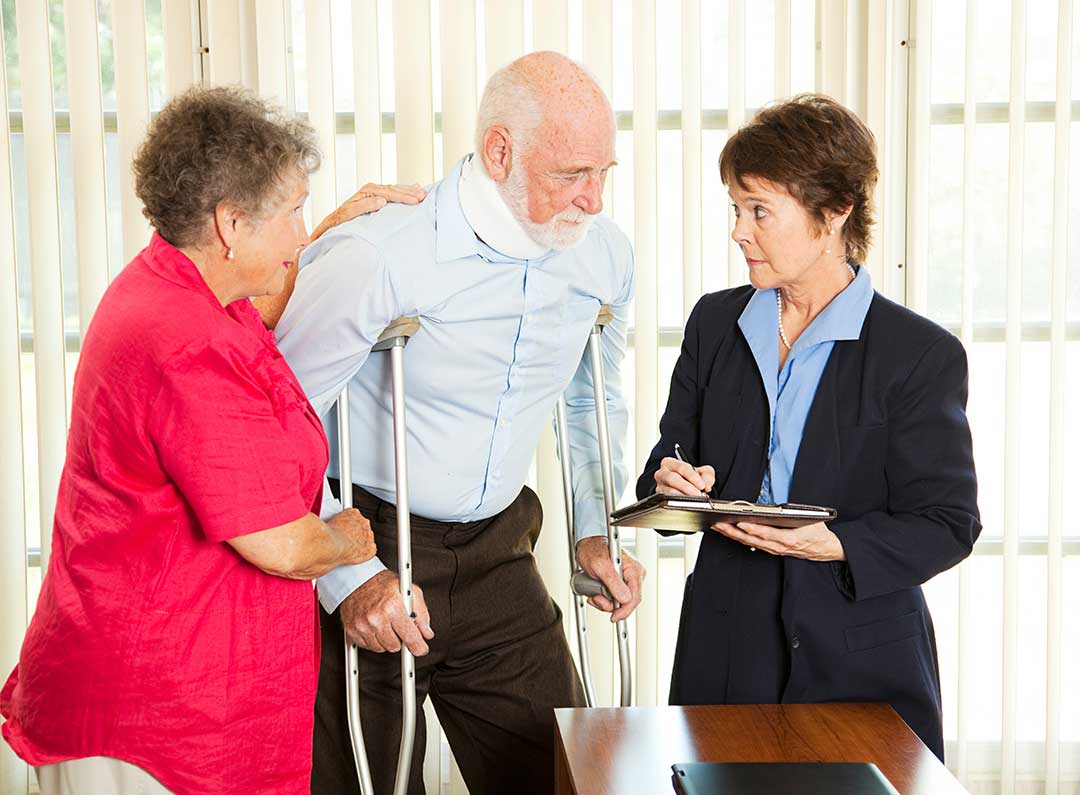
If public infrastructure, such as traffic lights or streetlights, was malfunctioning or obscured, document this clearly, as it may play a key role in understanding the incident.
What Official Records Should You Request?
In any accident where police respond, request a copy of the official report. Ann Arbor residents can typically obtain these through the local police department’s online portal or in person. This report contains an unbiased summary, officer observations, and sometimes a diagram showing positions and conditions.
For injuries, ask for copies of your medical visit summary and keep receipts for all related care. Documenting pain levels, treatments, or physical limitations in a written log can help establish a clear timeline for any potential claims.
What If You’re Unable to Collect Evidence Yourself?
If you’re seriously injured or otherwise unable to document the scene, ask a trusted friend, family member, or bystander for help gathering photos and notes. If no one is available, return to the scene as soon as possible, but only if it’s safe and permissible. Sometimes local businesses or homes have security cameras that may have recorded the event—consider politely asking for footage before it’s erased.
Are There Common Mistakes to Avoid?
A few frequently overlooked steps can affect the accuracy of accident documentation:
- Waiting too long to write down memories, which can quickly fade or change with time
- Forgetting to record the direction each vehicle or person was headed
- Relying on oral statements alone rather than collecting physical or photographic proof
- Discarding clothing or personal items that might show evidence of injury or impact
Even minor details—a puddle, a broken traffic sign, or the way a bike was positioned—can be meaningful later.
How Can Residents Store Evidence Safely?
Keep all digital evidence (photos, videos, scanned documents) in two secure places—for example, on your phone and in cloud storage. Paper records like police reports or medical summaries should be kept in a folder in a safe, accessible place at home. Backup strategies help ensure critical information isn’t lost due to technical problems or accidental deletion.