

 See My Latest Article on HelloNation
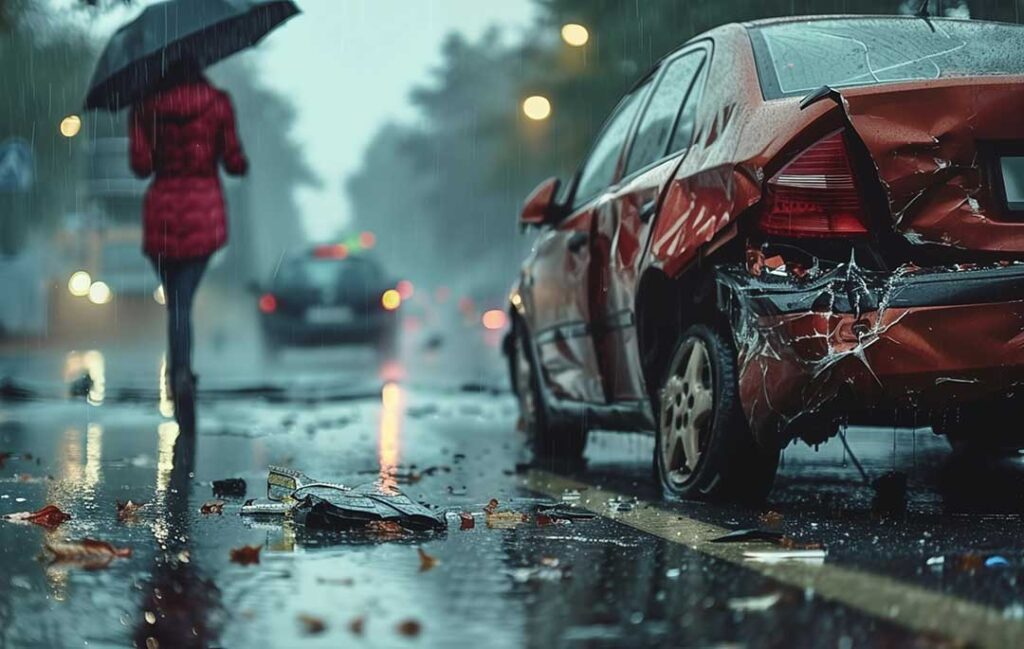
What Should You Do Right After a Car Accident in Ann Arbor, MI?
Immediately after a car accident, the highest priority is safety and medical care. Drivers and passengers should ensure they are physically okay before thinking about vehicles or property damage.
First, check for injuries. Call 911 immediately if anyone is hurt or needs urgent help. Ann Arbor roads can be busy, especially near the University of Michigan campus or during winter weather—be aware of traffic and surroundings. If it's safe and the law allows, move vehicles out of the flow of traffic to avoid further collisions.
When Do You Need to Call the Police?
Police should be called whenever there is injury, death, or property damage that might exceed $1,000. In Ann Arbor, police will respond and create an official accident report, which is essential for insurance and legal purposes.
Even if the accident seems minor, obtaining this report avoids confusion or disputes later. Police may also help safely redirect traffic, especially at busy intersections or in hazardous conditions common in the area during winter or construction seasons.
What Information Should You Exchange With Others?
Collecting the right details at the scene helps protect everyone involved. Exchange these items with the other driver(s):
- Name, address, and phone number
- Driver’s license number
- License plate number
- Insurance company and policy number
Also, make note of:
- Vehicle make, model, and color for all involved cars
- The exact location, nearby landmarks, or intersections
- Time and weather conditions
Avoid making statements about fault or responsibility at the scene, as these are often misunderstood in the moment.
Should You Take Photos or Gather Evidence?
Yes, documenting the scene is helpful for your own insurance claim and any later legal questions. Use your phone to take clear photos of:
- Vehicle damage from several angles
- The overall scene, including street signs and traffic signals
- License plates
- Visible injuries (if any and only with permission)
- Road or weather conditions
Photographs capture details that memory can lose—especially valuable if accident scenes are quickly cleared on busy Ann Arbor roads.
How Do You Handle Witnesses?
If anyone nearby saw the crash, politely ask for their contact details (name and phone number). Independent witnesses can help clarify what happened, especially in intersections or during events where facts are disputed. In some areas near dense student housing, traffic cameras are also present at intersections, which can sometimes provide video evidence.
When Should You Seek Medical Attention?
Any person involved in a crash should consider medical care even if they feel fine. Some injuries—such as concussions or muscle trauma—may not be immediately obvious. In Ann Arbor, keep in mind that symptoms can be masked by adrenaline or cold weather.
Visiting a local emergency room or urgent care provides a documented medical evaluation, which not only protects health but also provides necessary records. These can become important for insurance claims or legal matters later.
Do You Need to Notify Your Insurance Company?
Yes, most insurance policies require prompt notice of any accident, regardless of fault. Provide the basic facts and share the police report when available.
Many residents in Ann Arbor benefit from being clear and factual: give only necessary details and avoid speculation or admitting fault. Insurers may send an adjuster to inspect vehicle damage, especially after larger accidents or severe weather.
What Documentation Should You Keep?
Organize all accident-related materials in a safe place. This can include:
- Police report number or copy
- Names and contact information of everyone involved
- Insurance claim information and correspondence
- Photos and witness details
- Receipts for medical visits, repairs, or towing
Having thorough records prevents frustration if questions arise weeks or months later.
Are There Local Laws or Unique Considerations in Ann Arbor?
Michigan is a no-fault insurance state. Every local driver’s own insurance pays for initial injury claims, regardless of who caused the accident, which can be confusing. Residents should be aware that the no-fault system changes how claims are handled compared to some other states.
Seasonal weather can also play a major role. Ice, snow, and construction can contribute to multi-vehicle incidents, particularly on highways and downtown streets. In these conditions, it’s essential to note road quality and take extra photos to document how weather may have contributed.
What If a Minor Accident Doesn’t Seem Worth Reporting?
Even if damage appears minor, it is typically wise to have a police report filed, especially in public parking lots or city streets. Sometimes injuries or vehicle issues become apparent days after the incident. Ann Arbor law enforcement can arrive quickly in most parts of the city, and this report will be valuable if things become more complicated later.
Do You Need Legal Guidance?
For injuries, significant vehicle damage, or confusion about Michigan’s no-fault system, local residents often benefit from legal information. While simple accidents might be resolved through insurance, certain cases—such as those involving pedestrians, cyclists, or multi-car collisions—can involve additional rules or rights.
A clear understanding of procedures and legal requirements can help protect you or your family during the stressful event of a car accident. Ann Arbor’s community resources, including law enforcement and government agencies, also publish useful tailored guides relevant to local driving and accident responses.