

 See My Latest Article on HelloNation
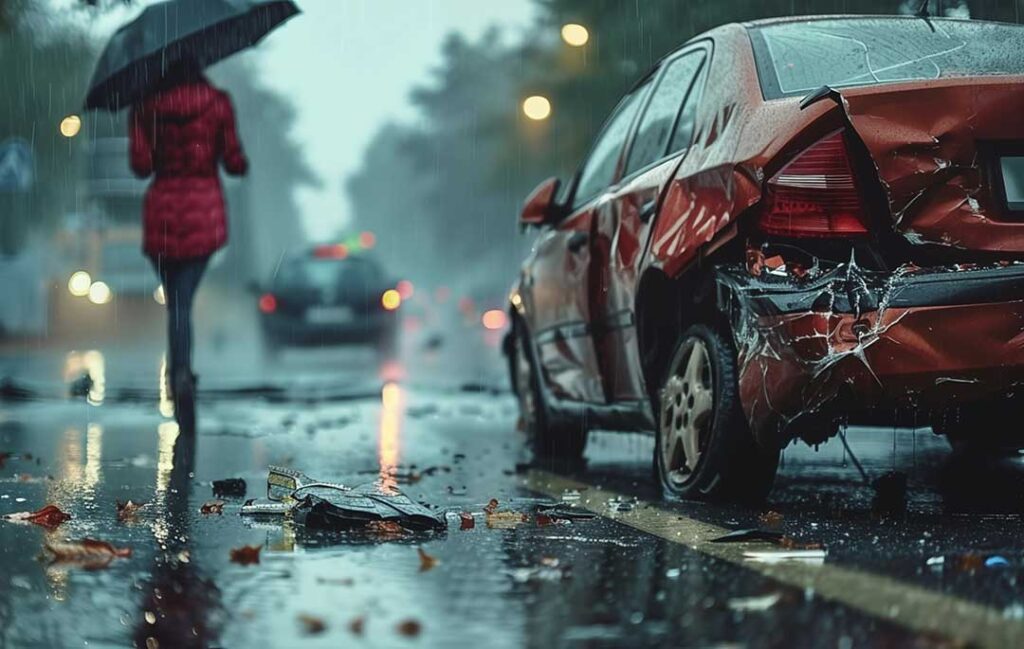
What happens if the driver who caused the crash has no insurance?
If an at-fault driver has no valid auto insurance, recovery may still be possible, but the process is different from an ordinary insurance claim. In Michigan, your own Personal Injury Protection coverage generally remains the first source for medical expenses, wage loss, and certain replacement services. Vehicle damage and compensation for more serious injuries may depend on your policy, the facts of the crash, and the driver’s personal assets.
The driver’s lack of insurance does not automatically mean that you must pay every accident-related expense yourself. It does mean that coverage questions should be addressed promptly and carefully.
Does Michigan’s no-fault system still protect you?
Usually, yes. Michigan’s no-fault system is designed so that an injured person’s PIP coverage pays benefits without waiting for a final decision about who caused the collision.
Depending on the policy and the circumstances, PIP may help pay for:
- Reasonable and necessary medical care
- Rehabilitation and recovery-related expenses
- A portion of lost income
- Replacement services for household tasks that cannot be performed because of the injury
- Certain medical travel expenses
The amount and type of available benefits depend on the PIP medical limit selected on the policy, whether medical coverage was coordinated with health insurance, and whether any exclusions apply.
A person injured while riding in a vehicle, walking, or cycling may have a different order of priority for PIP benefits than someone driving their own car. For that reason, the correct insurer is not always obvious from the police report or vehicle registration.
What if the uninsured driver caused serious injuries?
Michigan generally requires a serious-impairment threshold before an injured person can pursue a claim for noneconomic damages, such as pain and suffering, against the at-fault driver. A qualifying claim may involve a serious impairment of an important body function, a permanent serious disfigurement, or death.
If the at-fault driver is uninsured, there is no liability insurer available to negotiate or pay a settlement on that driver’s behalf. You may still have a claim directly against the driver, but collection depends on proving liability, documenting the injury, and determining whether the driver has reachable assets or income.
Many Michigan auto policies also offer uninsured motorist coverage. This optional coverage can provide a path to compensation for certain bodily injury losses caused by an uninsured driver, subject to policy terms, limits, exclusions, and proof requirements. It is not automatically included in every policy, and the policy may define “uninsured motor vehicle” in a particular way.
Review the declarations page and policy language for terms such as:
- Uninsured motorist bodily injury coverage
- Underinsured motorist coverage
- Hit-and-run or unidentified vehicle coverage
- Arbitration provisions
- Notice and cooperation requirements
An insurer may require prompt notice, recorded statements, medical records, proof of residency, or other information before evaluating the claim.
Who pays for damage to your vehicle?
Michigan no-fault insurance does not generally pay to repair your own vehicle after a crash. Collision coverage is usually the relevant coverage for damage to the vehicle you were driving, regardless of who caused the accident.
If you carry collision coverage, the insurer may pay for repairs or the vehicle’s covered value, subject to the deductible and policy terms. An insurer may later pursue reimbursement from the at-fault driver, but that process does not necessarily eliminate your deductible immediately.
If you do not have collision coverage, Michigan’s mini-tort rules may provide a limited remedy for certain vehicle-damage losses caused by another driver. The amount is limited by law and may depend on factors such as fault, insurance status, the type of damage, and whether the vehicle was properly insured at the time of the crash.
A driver who was operating an uninsured vehicle may lose some rights to recover vehicle damage or noneconomic damages. This is one reason insurance status matters for both parties, not only the person who caused the collision.
Can you sue the uninsured driver?
Possibly, but a judgment is not the same as collecting money. A lawsuit may establish responsibility and the amount of legally recoverable damages, yet the uninsured driver may have few assets, limited income, or other obligations.
Before pursuing a personal claim, the available coverage should be identified. Relevant sources may include:
- Your own uninsured motorist coverage
- Underinsured motorist coverage, if the driver had some insurance but not enough
- A policy covering a resident relative, depending on the contract
- Insurance connected to another vehicle involved in the crash
- The at-fault driver’s personal assets
- Certain employer or vehicle-owner coverage issues, where the facts support them

Whether a household member’s policy applies depends on the policy wording, household relationship, vehicle ownership, and the circumstances of the collision. It should not be assumed that every policy in a household provides coverage.
What should you do immediately after learning the other driver is uninsured?
First, obtain medical evaluation if symptoms appear, even if the crash initially seems minor. Neck, back, head, and soft-tissue injuries can develop gradually, particularly after a winter collision or a crash involving a sudden impact.
Next, notify your own auto insurer and ask how to open a PIP claim, collision claim, and uninsured motorist claim if those coverages may apply. Do not assume that reporting the crash means you are admitting fault.
Preserve:
- The police report or incident information
- Photographs of the vehicles, roadway, traffic controls, and visible injuries
- Witness names and contact information
- Medical bills and appointment records
- Pay records showing missed work
- Repair estimates and towing or storage invoices
- Text messages or other communications with the other driver
- Insurance information provided at the scene, even if it later appears invalid
Ann Arbor’s winter weather can create additional questions about snow, ice, visibility, and road conditions. Photographs showing the roadway and lighting conditions may become less useful after plowing, salting, melting, or subsequent weather changes.
What if the driver provided false insurance information?
A driver may produce an expired card, a policy that was canceled, or information belonging to another vehicle. Give the information to your insurer and law enforcement rather than trying to resolve the discrepancy independently.
A police report can help document the driver’s identity and the apparent lack of coverage, but it does not decide fault or determine every available insurance benefit. Your insurer may need to verify coverage directly with the listed carrier.
Are there deadlines?
Yes. Michigan insurance claims and injury lawsuits can have strict deadlines, and the deadline may differ depending on whether the claim involves PIP benefits, vehicle damage, uninsured motorist coverage, or a bodily injury lawsuit.
A written application for no-fault benefits generally should be submitted within one year of the accident. Insurance policies may impose shorter notice requirements for uninsured motorist claims. Waiting for symptoms to become severe, repairs to be completed, or the other driver to respond can create avoidable problems.
The practical question is not simply whether the at-fault driver has insurance. It is which coverage applies, what losses are documented, and whether the claim is pursued within the applicable time limits.